7:30 AM - Early Morning
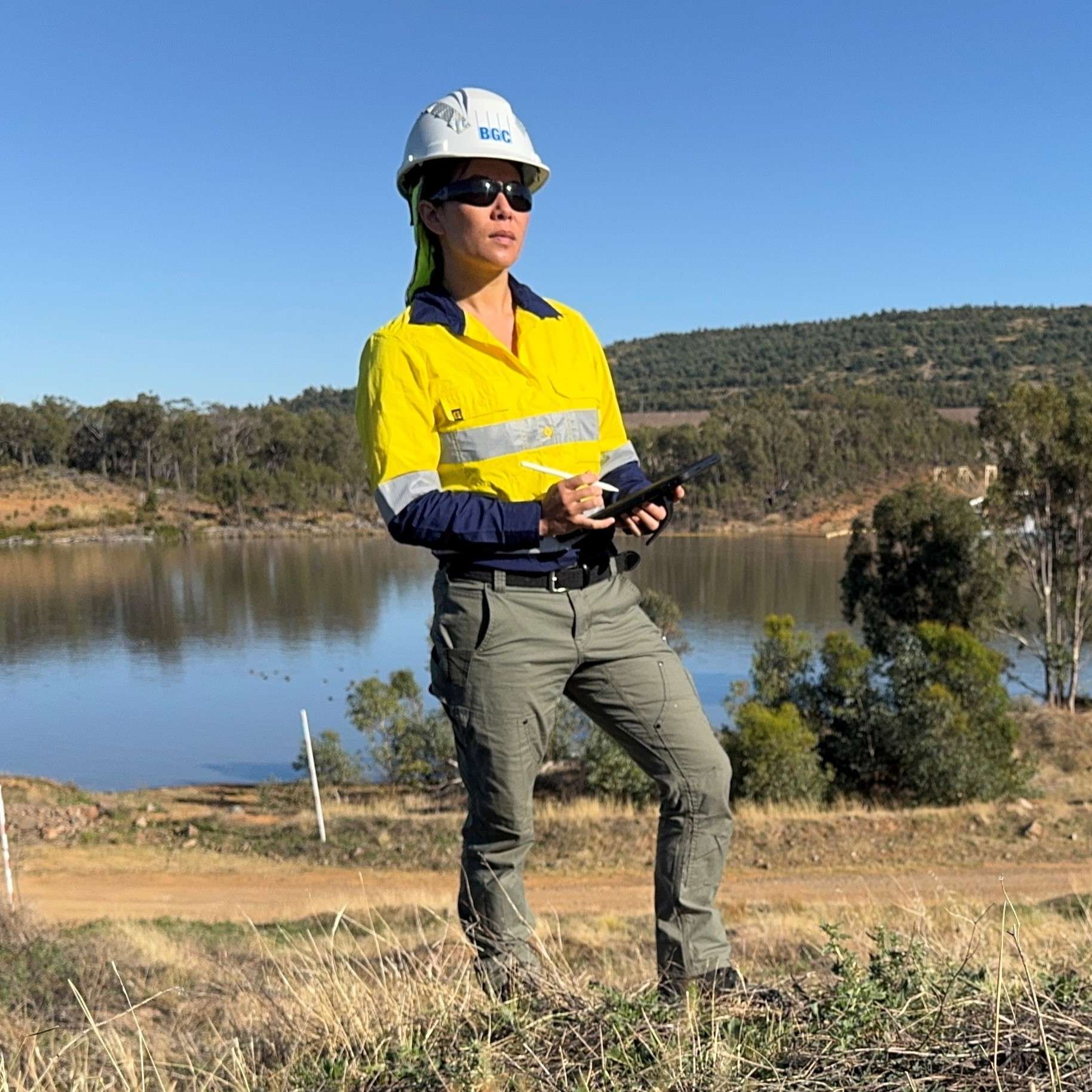
Pipeline field inspections trips are generally completed by two people. First thing in the morning, field partners meet at the truck. Begin the day by filling out a field level risk assessment (FLRA) to determine and mitigate hazards that will be faced during the day. Then pack up the truck and travel to the first site!
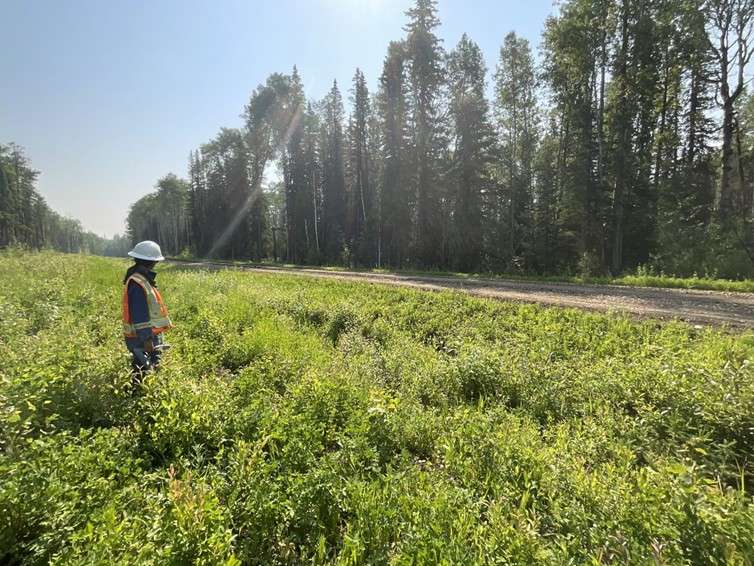
10:00 AM - Daily Geohazard Inspections
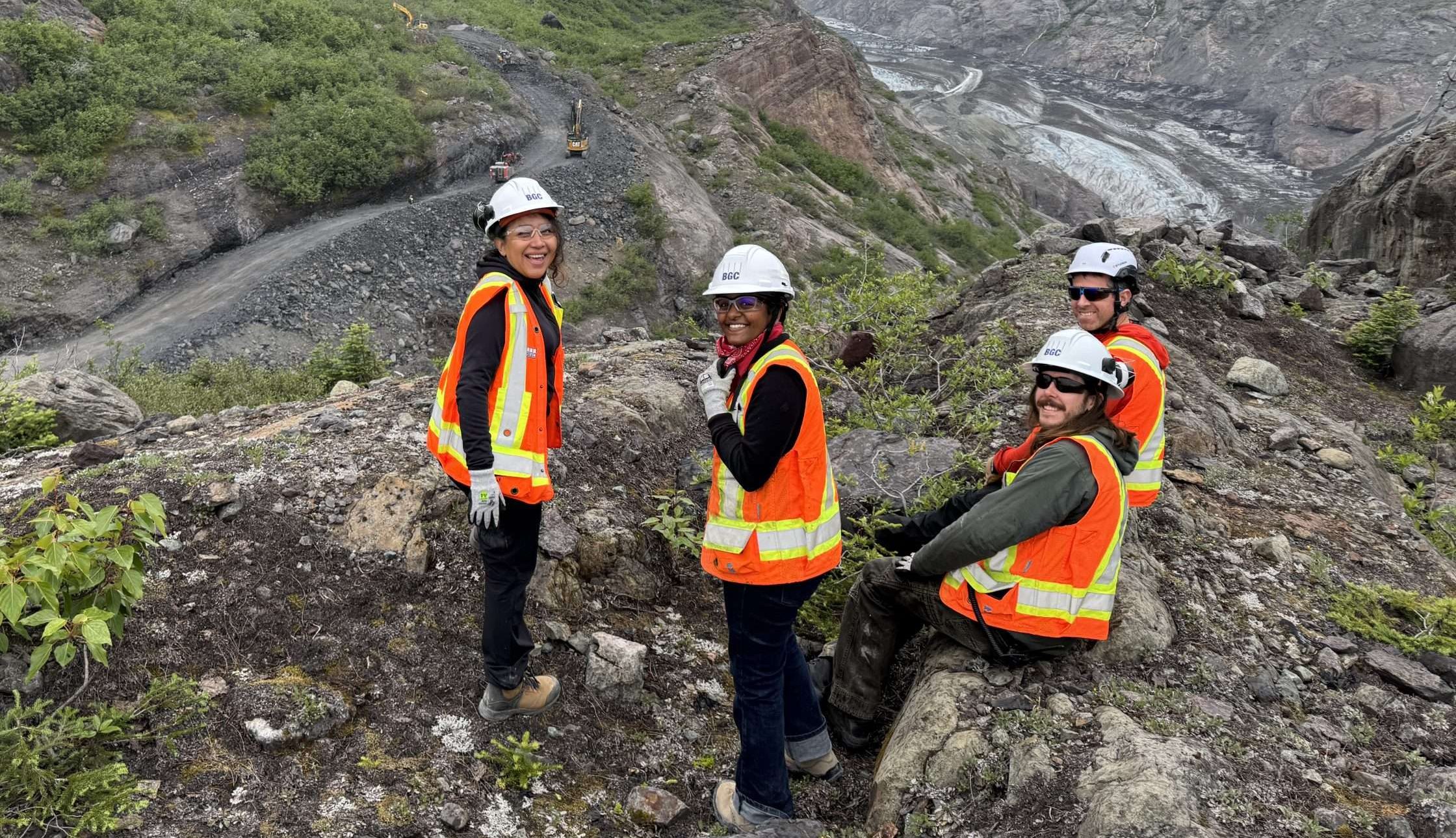
Throughout the day we typically visit 8-10 different locations that possess some type of geohazard to a pipeline. These geohazards are typically locations experiencing or with the potential to experience ground movement, erosion or pipeline stream crossings.
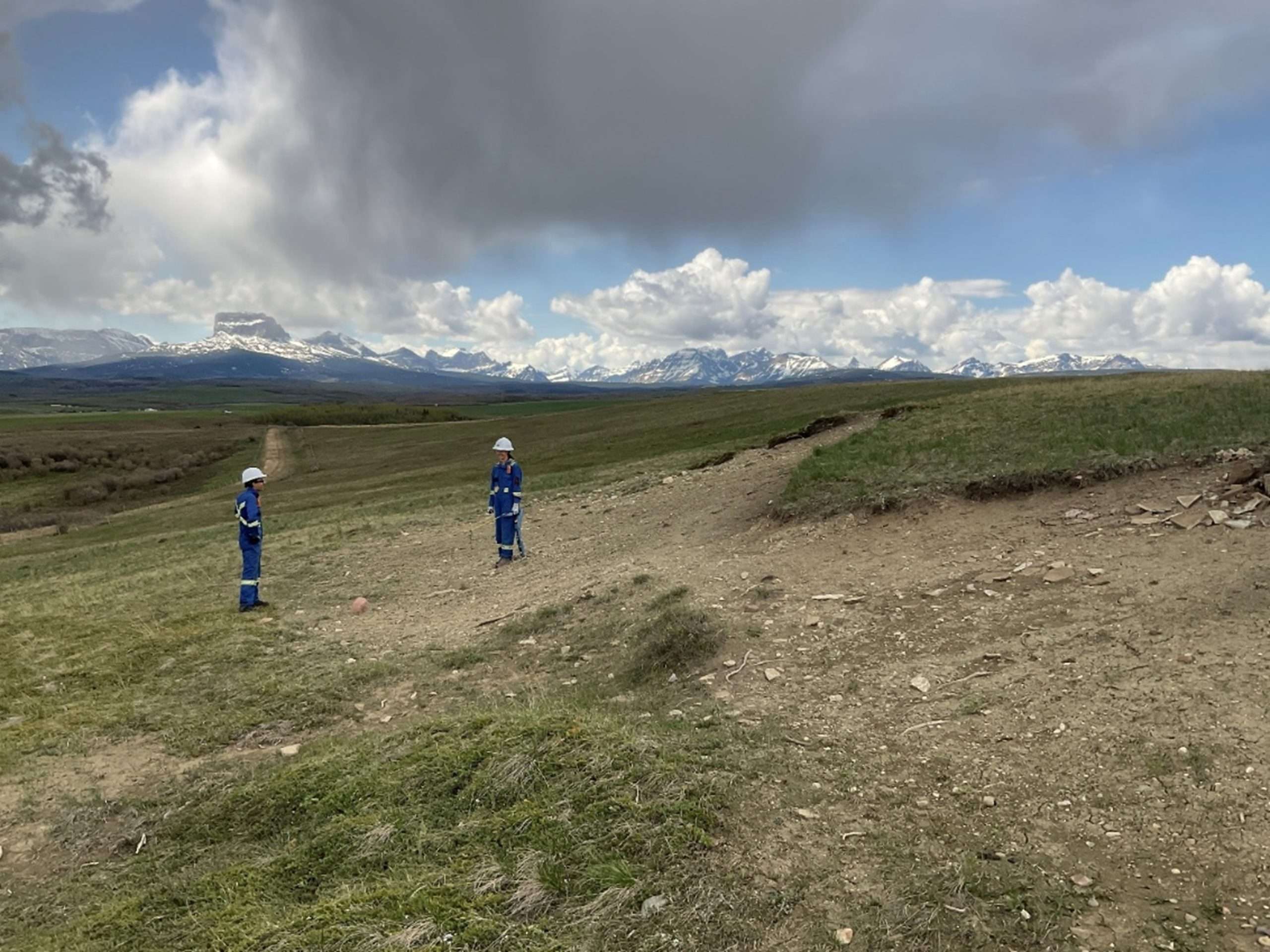
11:00 AM
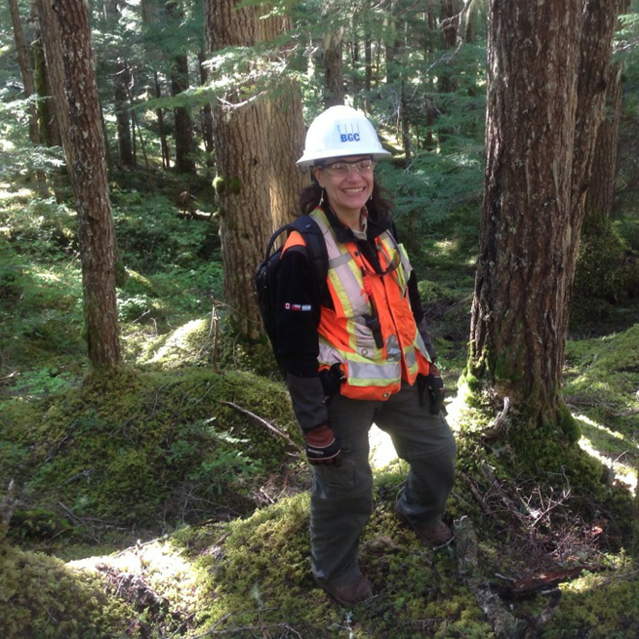
At each site, we will collect data on the collect data such as local and regional geology, and various measurements of the pipeline to inform a risk assessment for the pipeline location. It can often be an adventure getting to the sites and can involve hiking, bushwacking, crossing streams, ATVs and driving off-road.
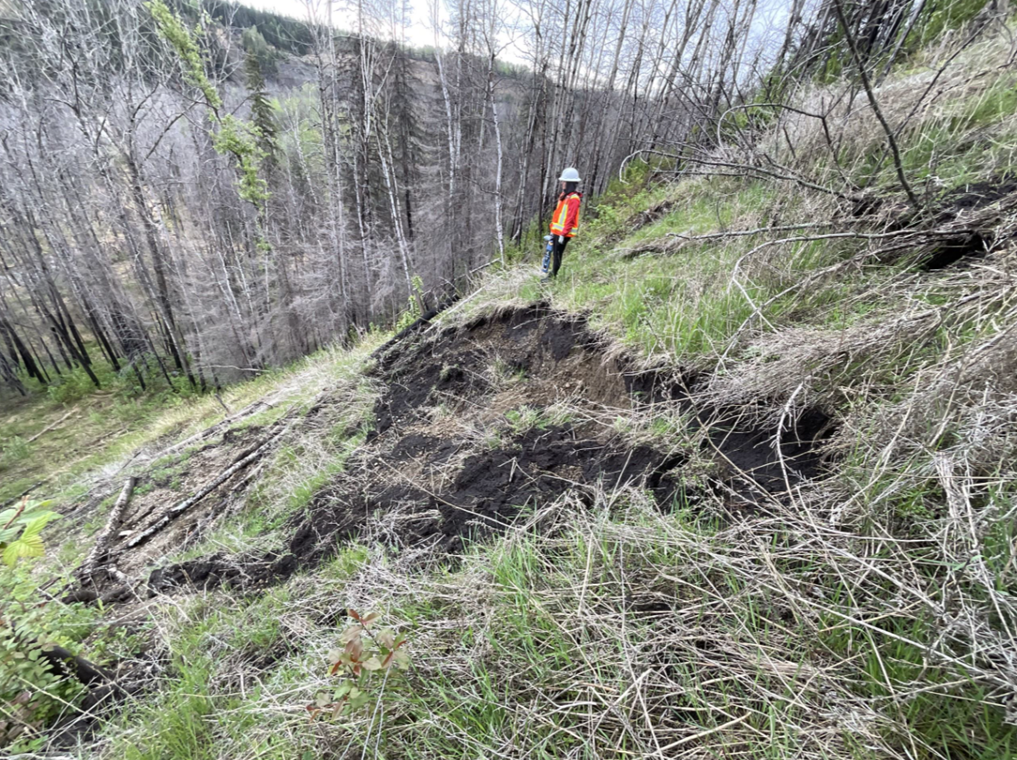
2:00 PM
At each site we will write a brief inspection report including photos and measurements, these reports will be refined and reviewed in the office after the trip. Outside of the inspections, during the day we enjoy being outdoors, hiking and the adventure of finding sites and seeing new, often remote place!
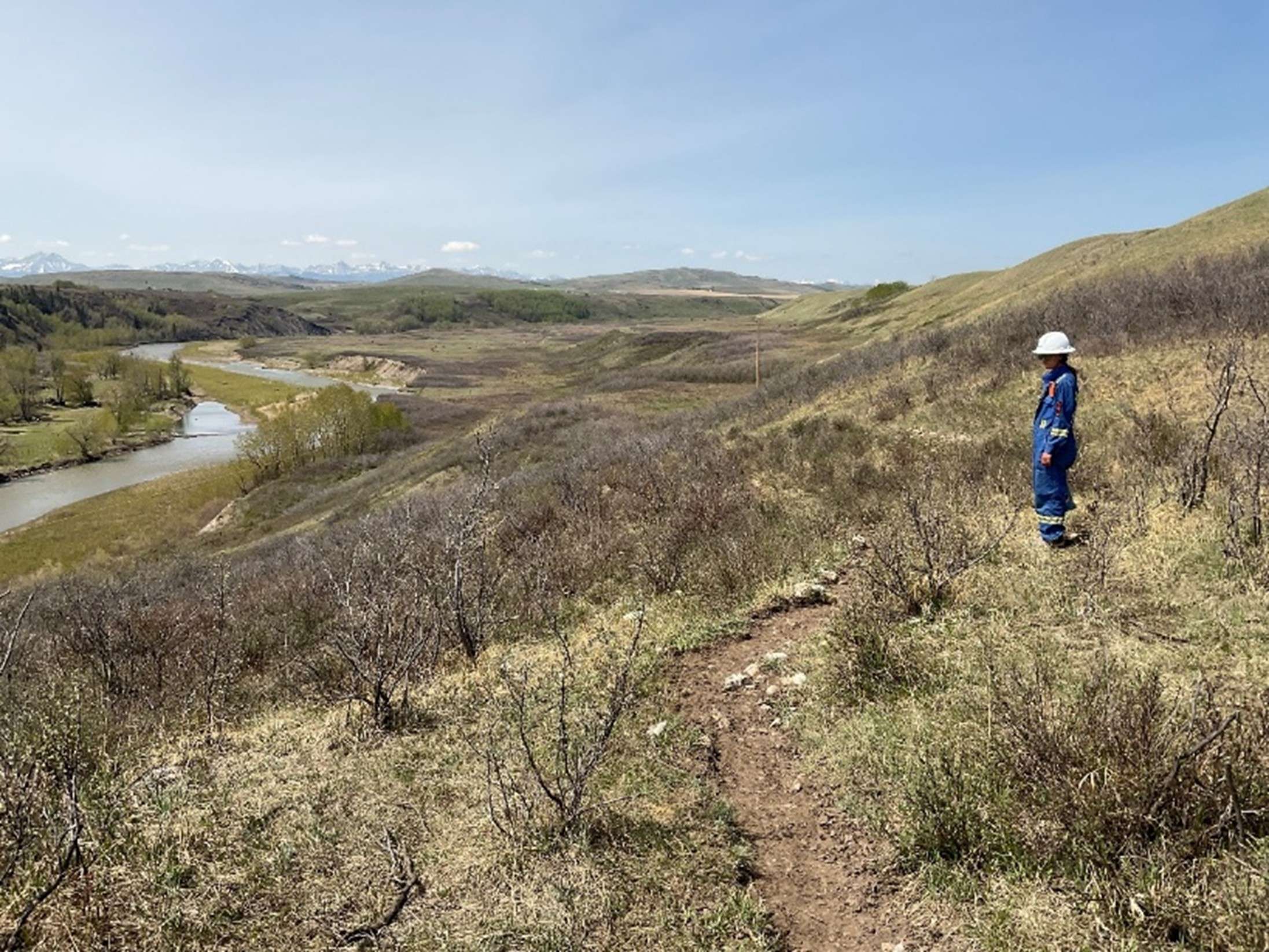
4:00 PM - 7:00 PM - Ending the Day
After visiting all the planned sites for the day, travel back to the office or accommodation (we usually stay in hotels on these trips). In the evening, we will send a daily summary email to the project team and client detailing daily progress and any urgent issues or recommendations. After the work is complete, enjoy supper with your field partner and check out any cool things to do in the area! I love to check out small town restaurants (there are often hidden gems), go for a run or hit the hotel gym, or go hiking depending on the area that the inspections are in.
5:45 AM - Safety Briefings and Preparation
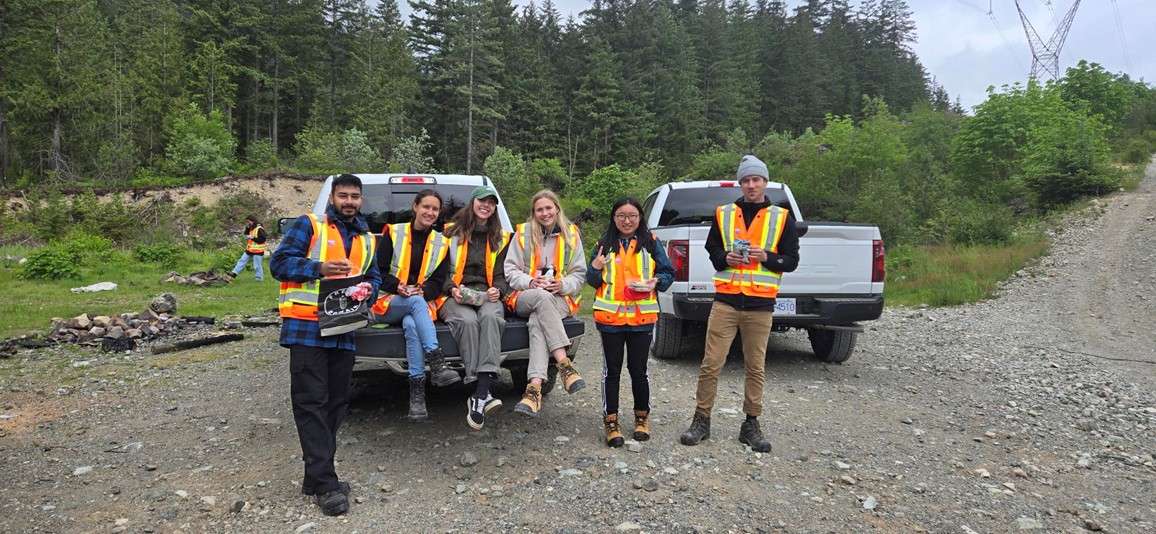
My field partner and I meet at the main camp at 5:45 a.m. to get our gear ready and ensure we arrive on time for the client’s Environmental Team daily safety meeting, which runs from 6:00 to 7:00 a.m. After the meeting, we plan the day’s activities together with the client team. We then complete our daily vehicle safety check and drive to the field office, where most of our equipment is stored. Once there, we prepare the necessary equipment and calibrate our water sampling probe before driving to the warehouse to have the equipment approved for helicopter transport.
9:00 AM - Travel to Site
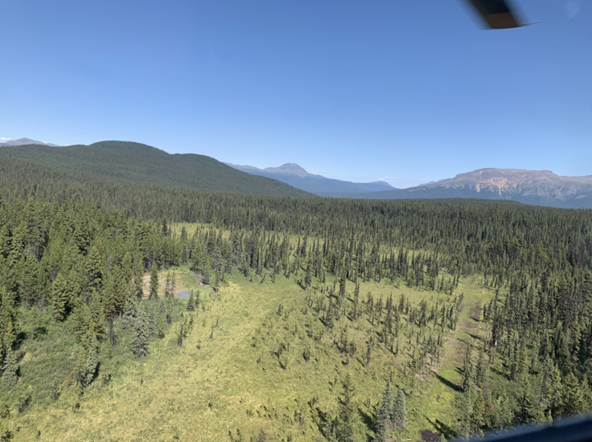
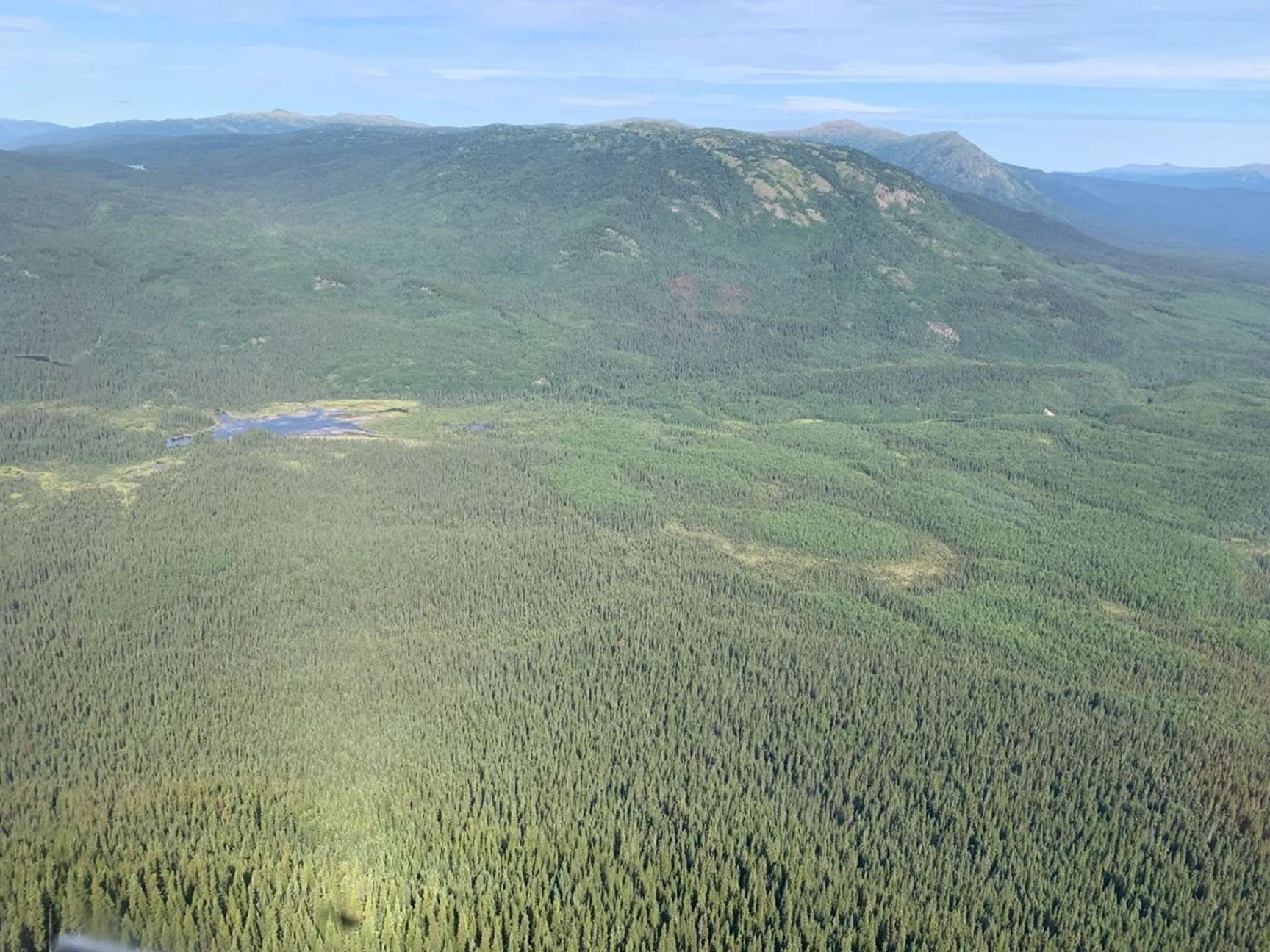
We drive to the helipad and complete a helicopter safety orientation with the pilot before loading our equipment onto the helicopter. We then travel by helicopter to our site, which is located in an isolated area away from active mining operations. The site is surrounded by swampy terrain, making it inaccessible by vehicle.
10:30 AM - Site Setup and Data Collection
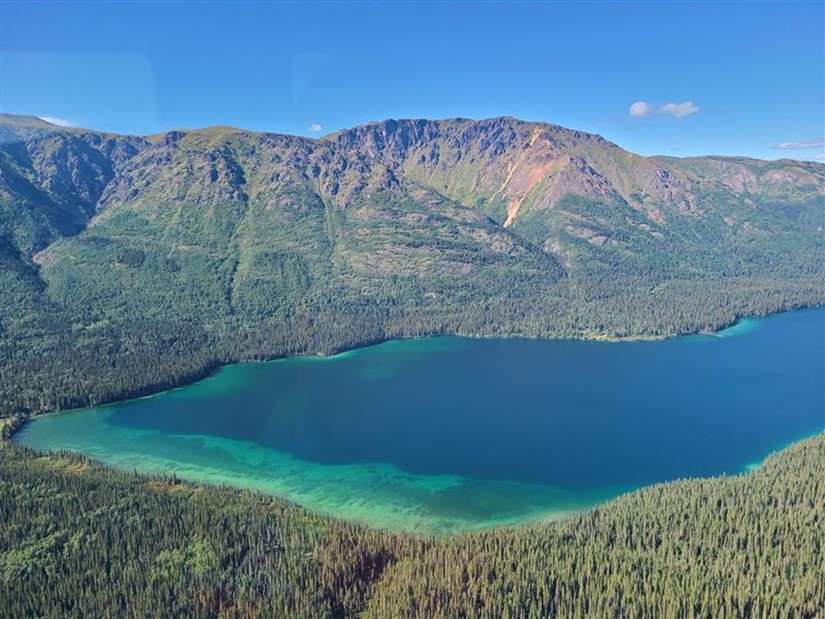
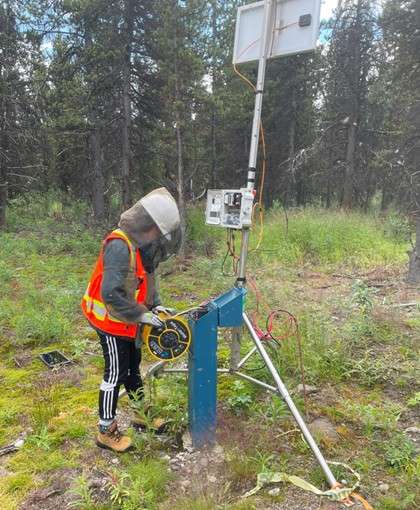
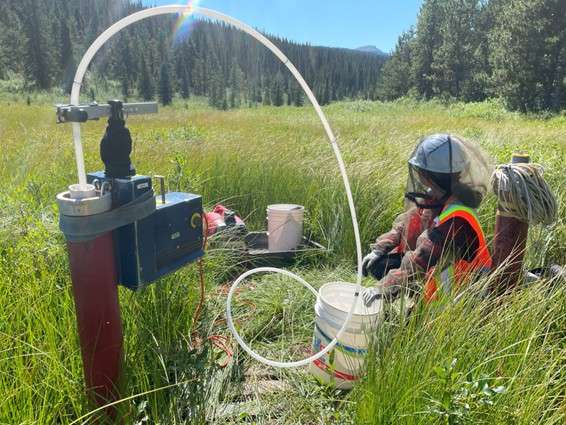
We unload our equipment from the helicopter and move it to the groundwater monitoring well designated for the day. At the well, we collect a water level measurement and download data from the datalogging instruments. We then set up our water sampling equipment around the well and complete well development by pumping out enough water to ensure our samples accurately represent local groundwater conditions. After sampling, we conduct a slug test to determine the rate of groundwater flow into or out of the surrounding geological formations when water is displaced using a metal slug.
4:30 PM - Wrap-Up and Travel Back
We pack up our equipment and clean up the site before departing. Once everything is ready, we fly back with all our equipment in the helicopter. After landing, we drive to the field office to unload our equipment, then continue on to the Environmental Team office to conclude the day’s work. We then prepare and send the daily summary report required by our client. We communicate with our Project Manager about budgeting for another helicopter day the next day.
6:45 PM - Dinner and Camp Social Activities
Some important health and safety tips I keep in mind: I try to keep my head sharp even after the workday ends. In my downtime, I play piano and guitar in the music room, sometimes on my own and other times jamming with client coworkers or other contractors. In the evenings, I like to take walks along the perimeter trail around the mine camp at sunset and call family or friends from the soundproof booths. One tip I always follow is to make sure I get enough sleep—twelve hours in the field is no joke—so I spread out these activities across different days and try not to go to bed later than 9:00 PM.
8:00 AM – Starting the Day
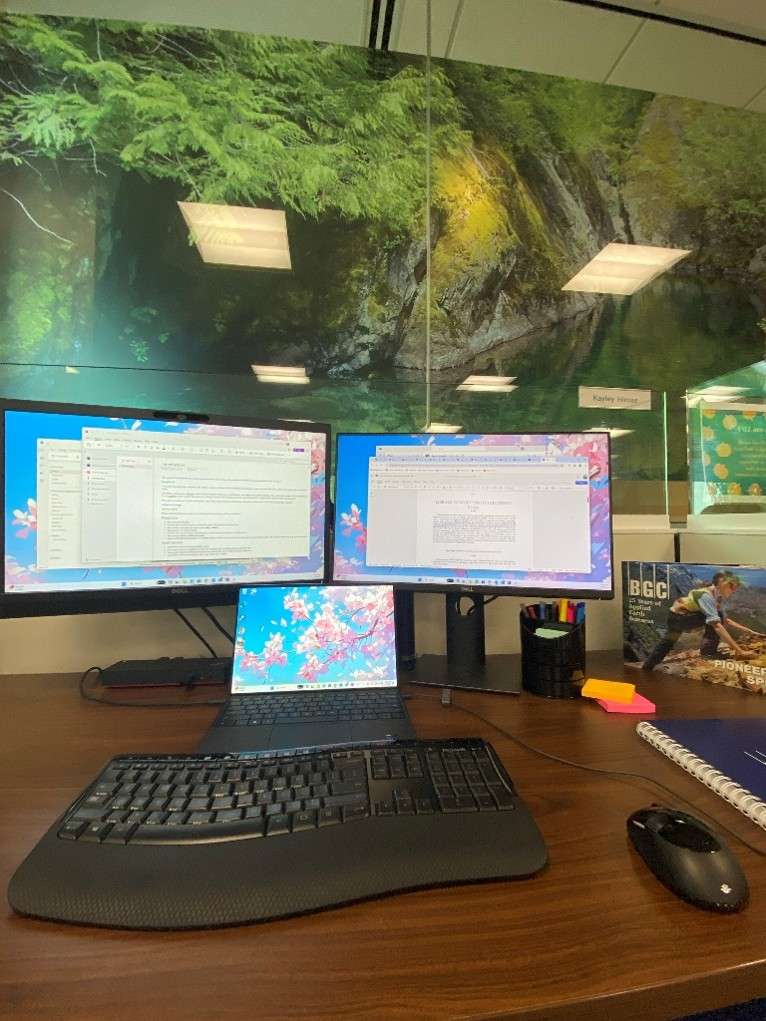
I begin my day by reviewing emails, new requests, and priorities with the Library and Information Services team. I check current awareness alerts, industry news, and recently published resources to identify information that may be valuable to staff. I also review ongoing projects and plan my work for the day ahead.
9:00 AM - Research and Reference Support
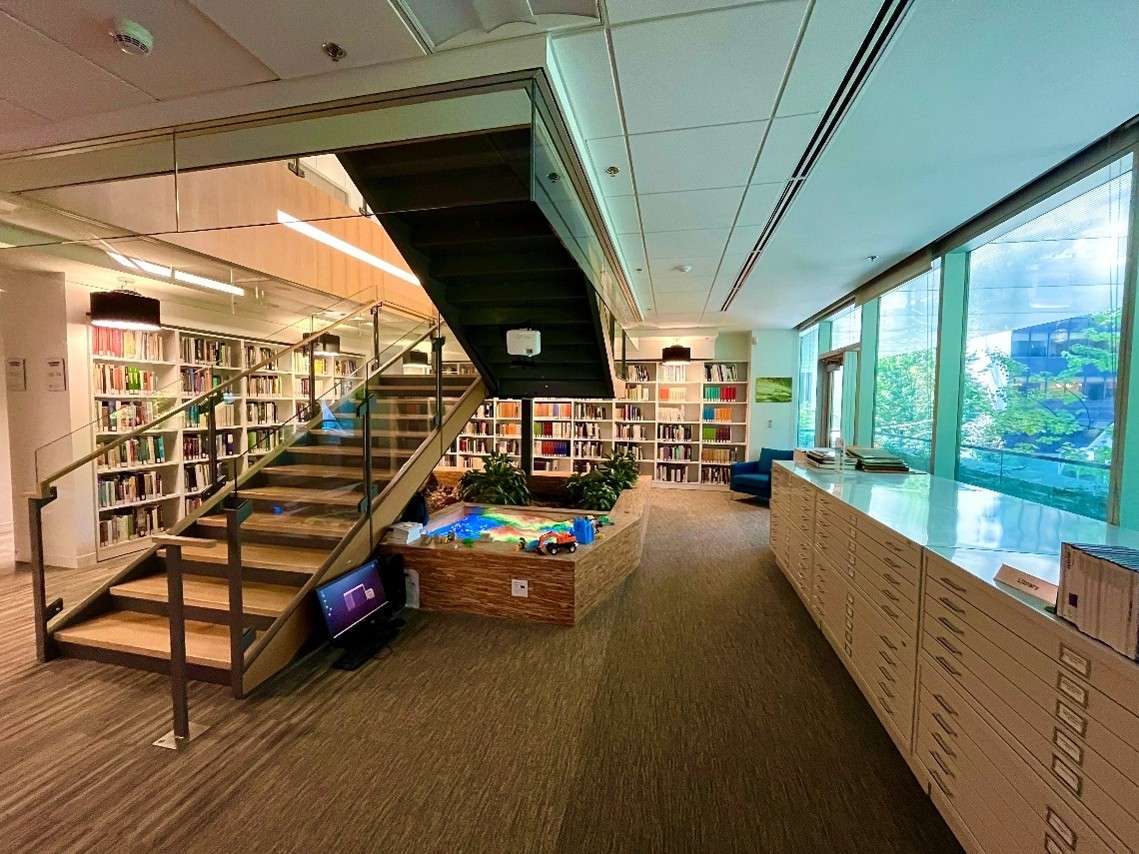
A large part of my day is dedicated to research and reference support. I assist staff by searching library databases, internal repositories, and external information sources to locate reports, articles, standards, and other resources. Depending on the request, I may prepare literature reviews, compile air photo inventories, or provide citations and background research to support project teams.
10:00 AM - Library Team Meeting
I meet with the Library team to discuss ongoing projects, new requests, and opportunities to improve our services. These meetings help us coordinate priorities, share knowledge, and collaboratively solve challenges that arise.
11:00 AM – Records and Knowledge Management
Throughout the morning, I catalogue finalized deliverables into our Records Archive, ensuring documents are properly organized, searchable, and accessible for future use. This work helps preserve institutional knowledge and supports efficient information retrieval across the organization.
1:00 PM – Outreach and Training
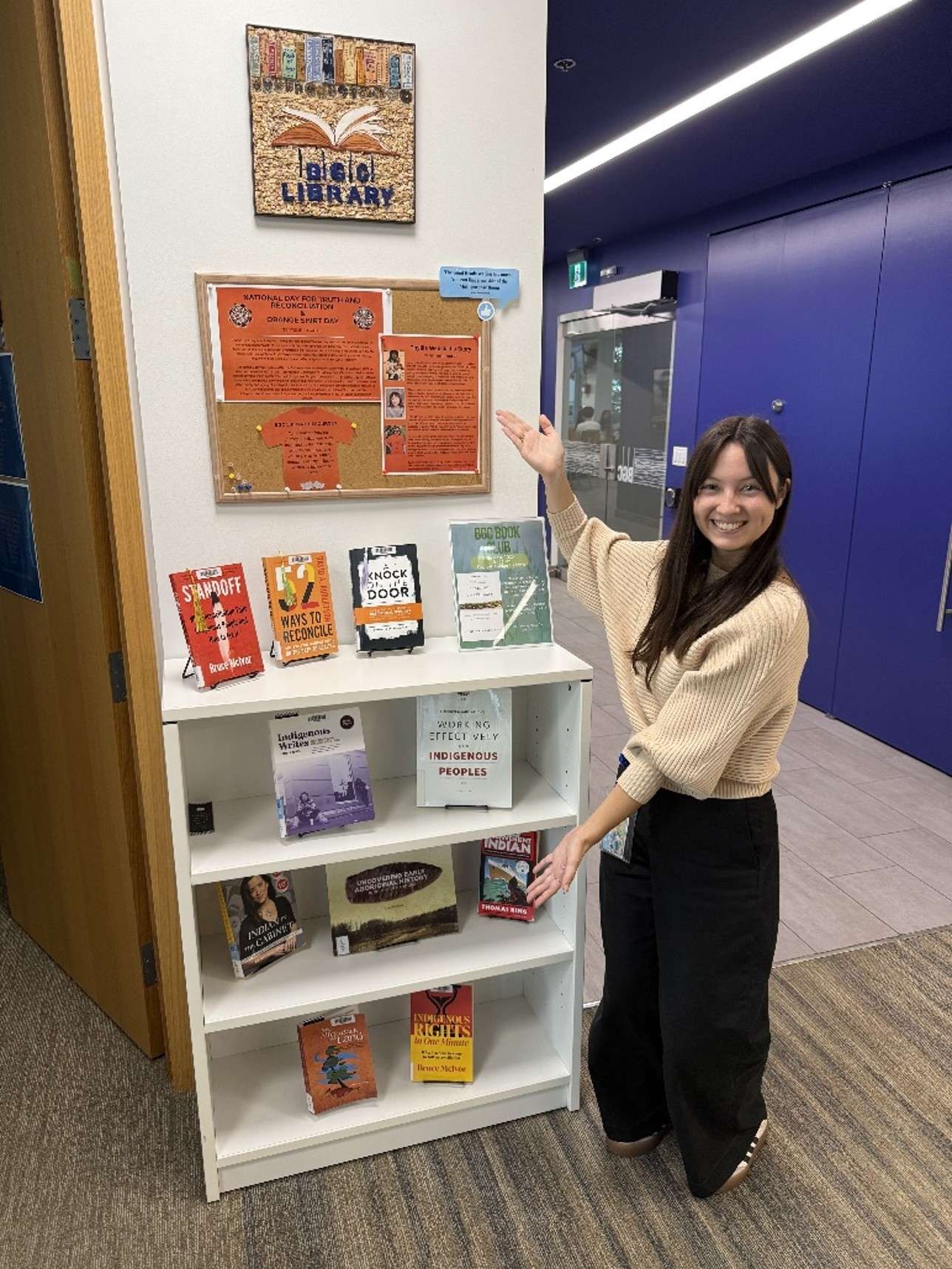
After lunch, I focus on outreach and training initiatives. This may include creating book displays, writing blog posts, delivering library orientations, supporting staff with research tools, or promoting library services and resources throughout the organization.
2:30 PM – Collection Management and Circulation
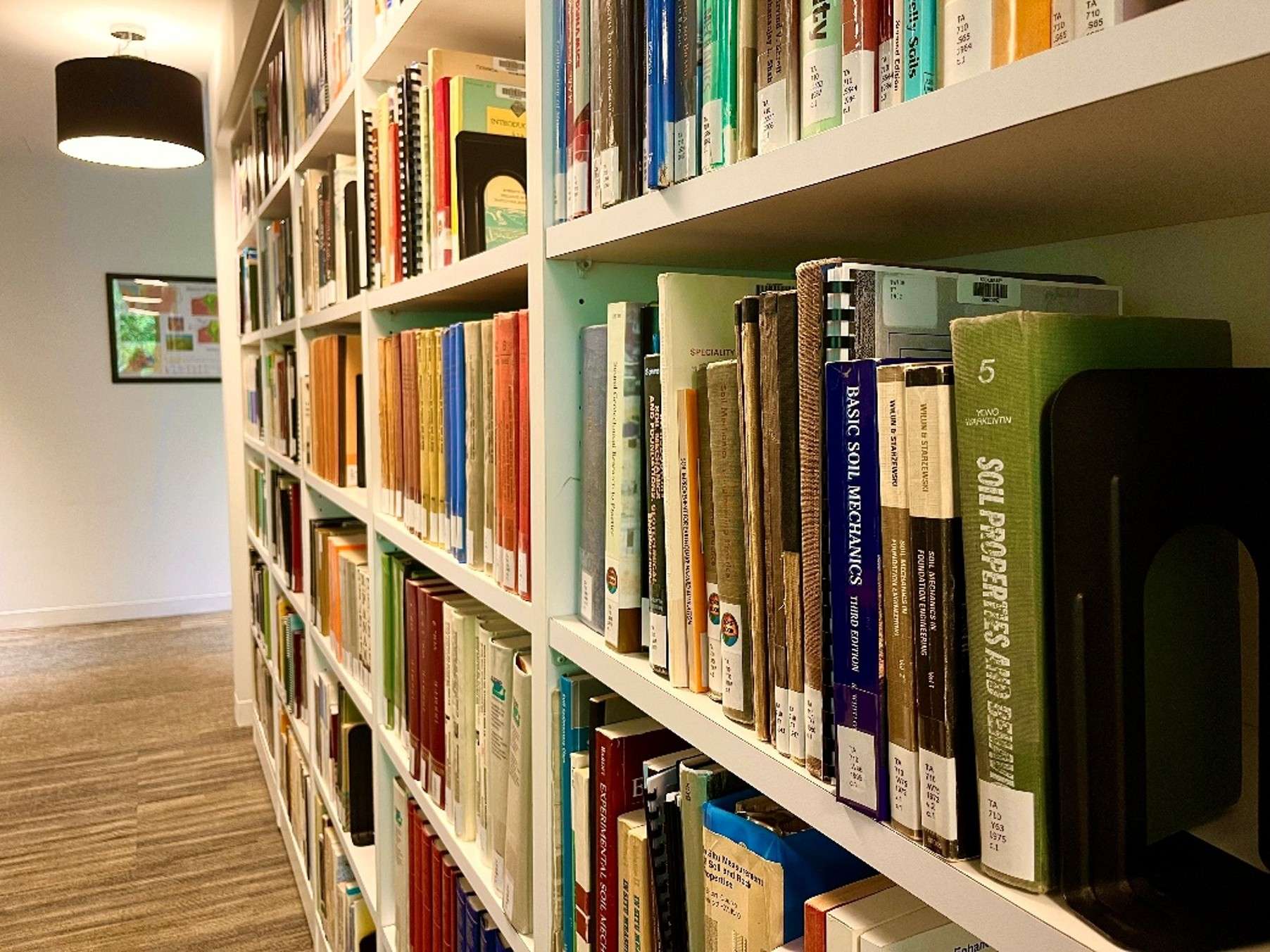
In the afternoon, I manage library collections and circulation activities. I collect newly purchased books from the mailroom, catalogue new acquisitions in the library system, and process returned materials. I also check books back into the catalogue, reshelve items, and ensure the collection remains organized and accessible.
4:30 PM – Wrapping Up the Day
Before the day ends, I respond to any remaining requests and prepare priorities for the following day. I make sure research requests, collection activities, and ongoing projects are progressing as planned so staff continue to have access to the information and resources they need.
8:00 AM
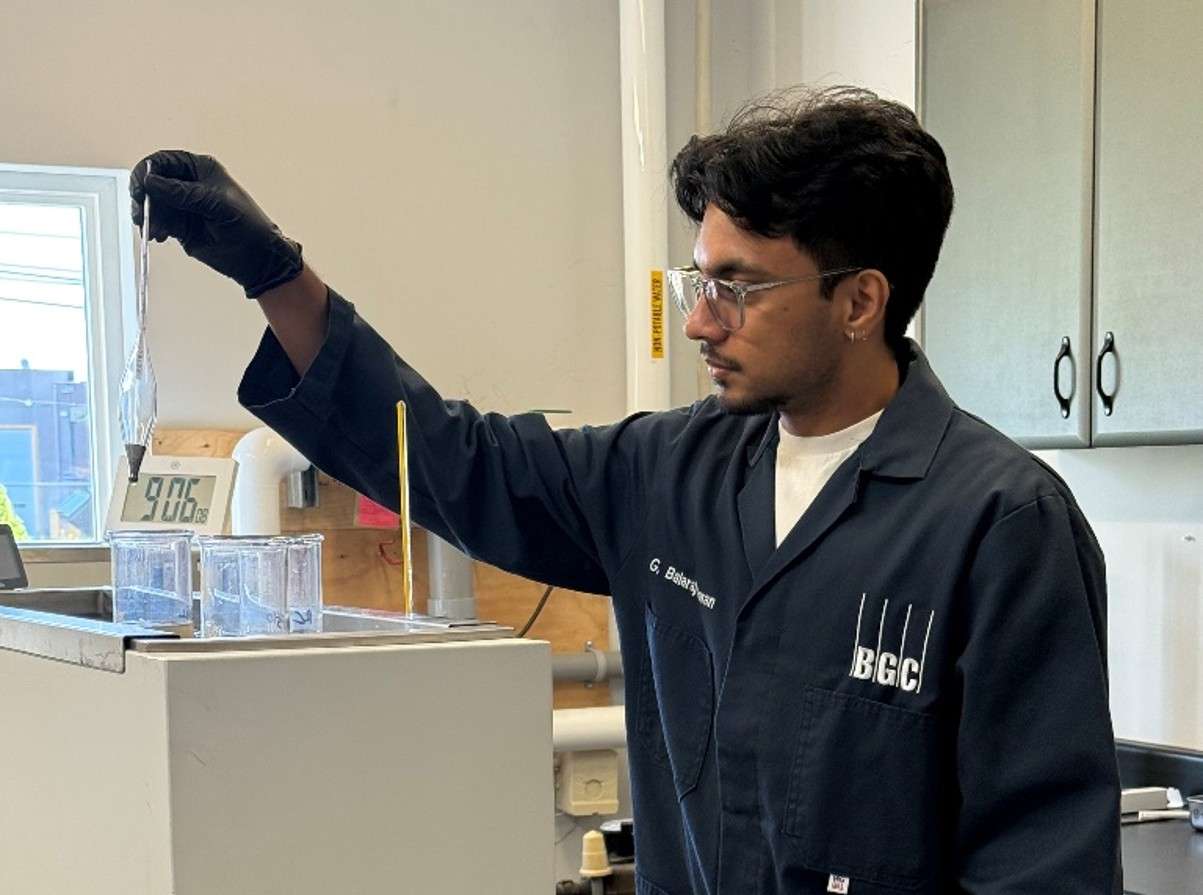
BGC operates a world-class soil and rock lab testing facility that provides testing services to projects and clients around the world. A typical day in the lab starts with checking on ongoing tests or taking the final readings from the previous day’s tests. These maybe either an index test or an advanced test. Some of the soil tests that are regularly done at the lab, include: Soil Characteristics: Moisture Content, Organic Content, Specific Gravity, Atterberg Limits, Particle Size Distribution, Relative Density and Permeability; Soil Strength (Standard, Large Scale, Monotonic and Dynamic): Consolidation, Direct Residual, Direct Simple Shear, Triaxial, Resonant Column.
10:00 AM
Samples are tested to determine the engineering properties of soil and rock and inform designs, often for critical infrastructure such as tailings dams. When samples are received, we open them in a controlled environment, take pictures to assess their quality, and talk to the project team about the testing schedule and priorities.
11:00 AM
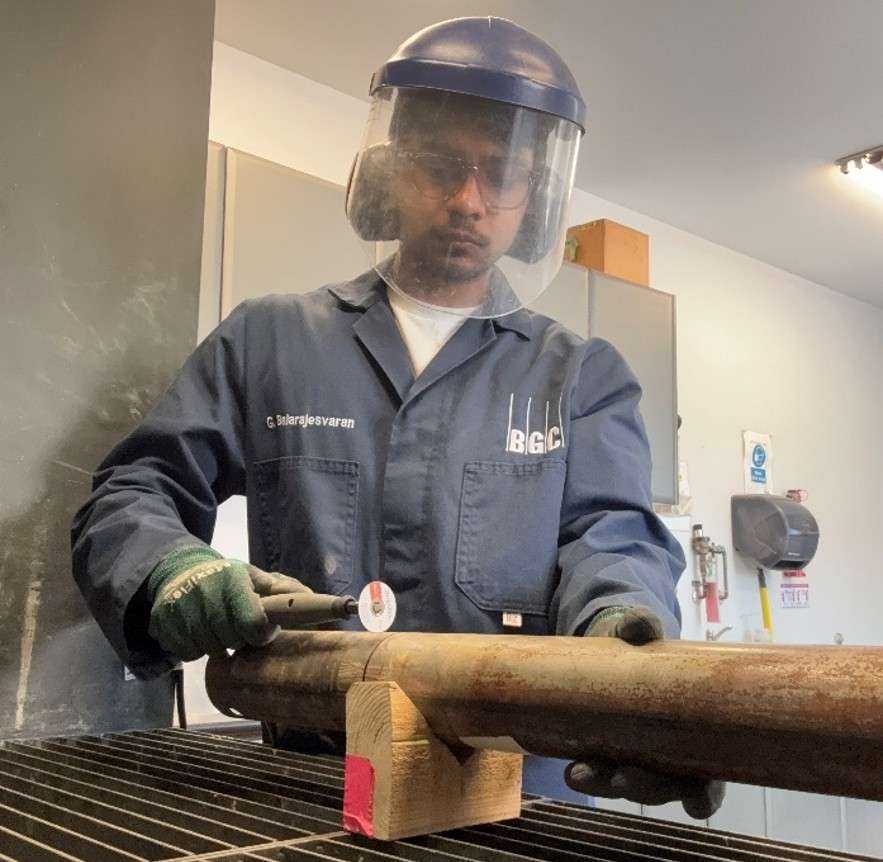
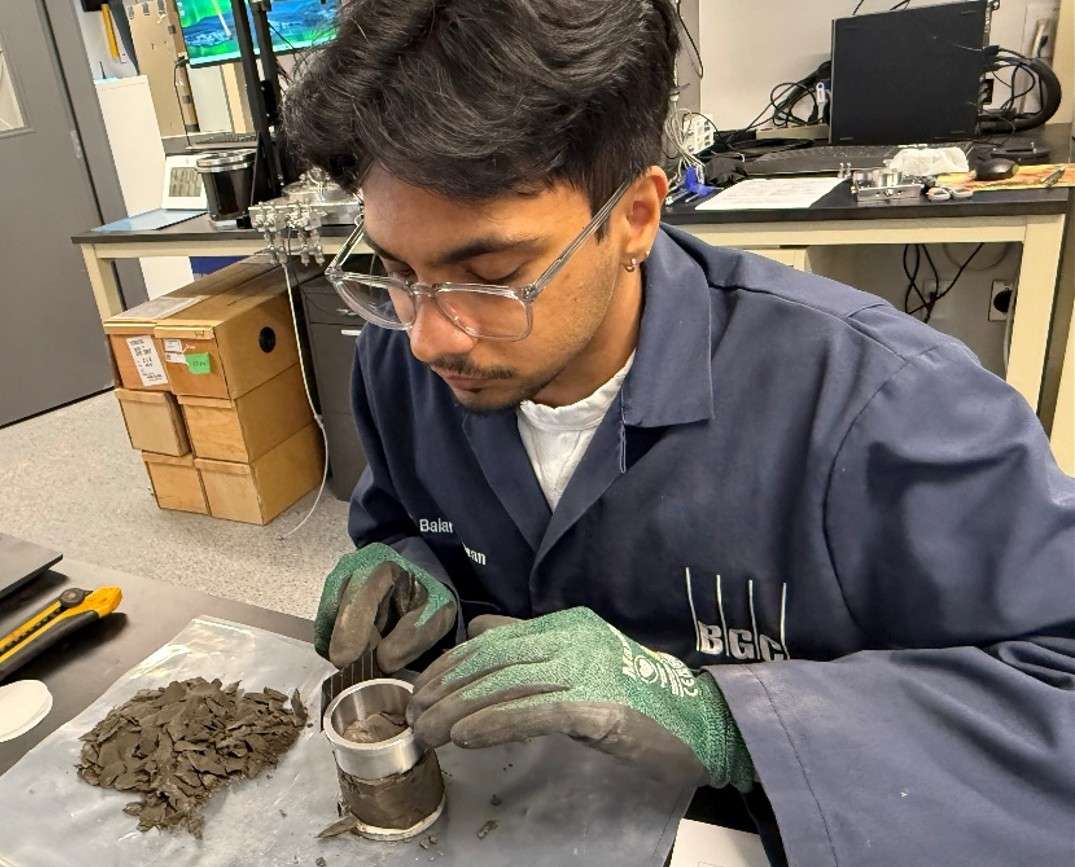
After confirming the testing priorities, I start to prepare the sample for testing and trim the samples to meet the testing specifications. Attention to detail and documentation are important for ensuring quality testing results and I record the sample data and maintain a clean workstation while completing the task. There is a system in place for the use of equipment, storage and inventory. Test assignments are matched to each lab team member’s skills and experience with the equipment. This approach also creates opportunities to learn new test methods from colleagues who bring their own diverse range of technical expertise.
12:00 PM
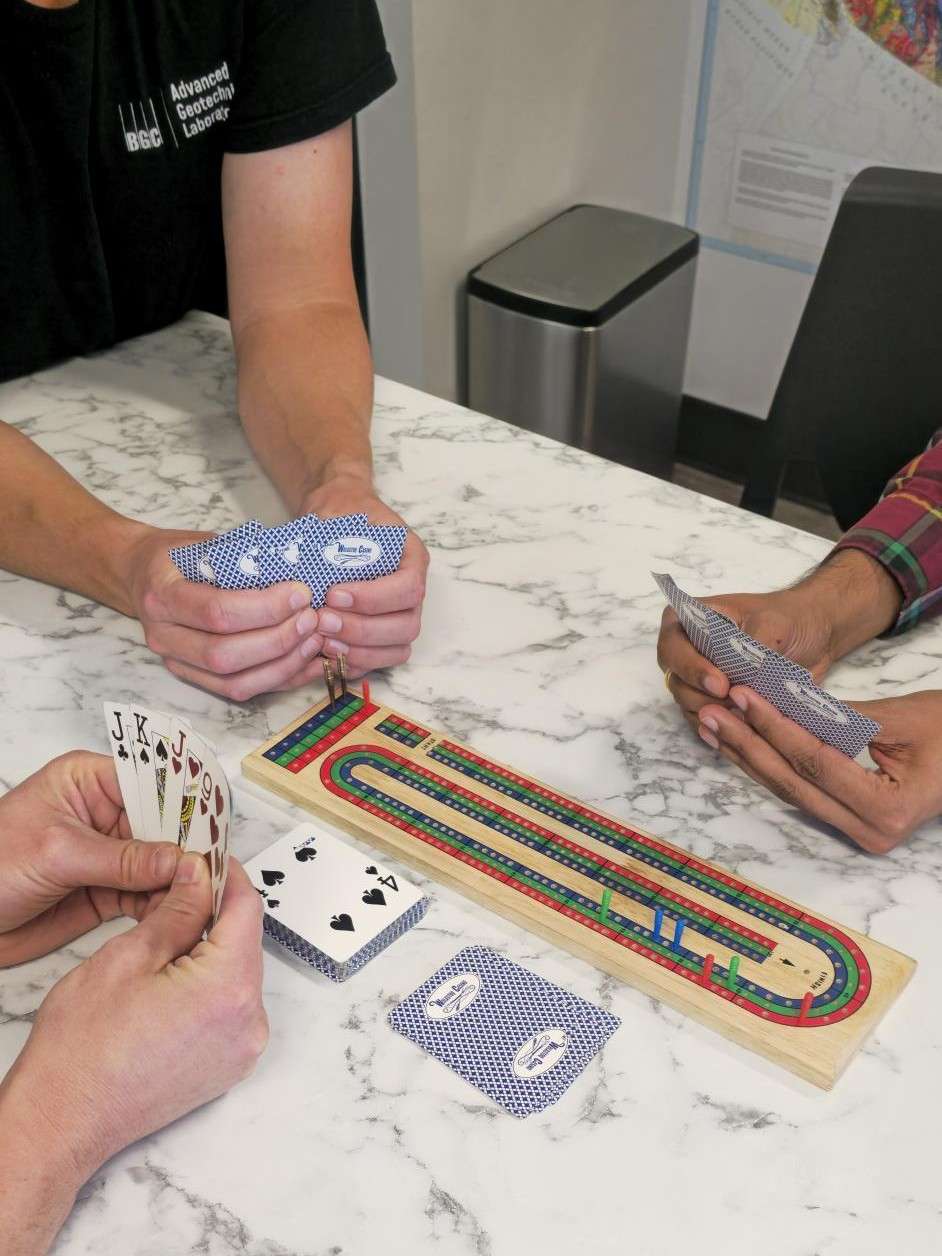
During lunch I socialise with my co-workers over a game of cribbage (card game) and it can get competitive. We have great snacks in the pantry and it is stocked with ice cream sandwiches in the summer.
1:00 PM
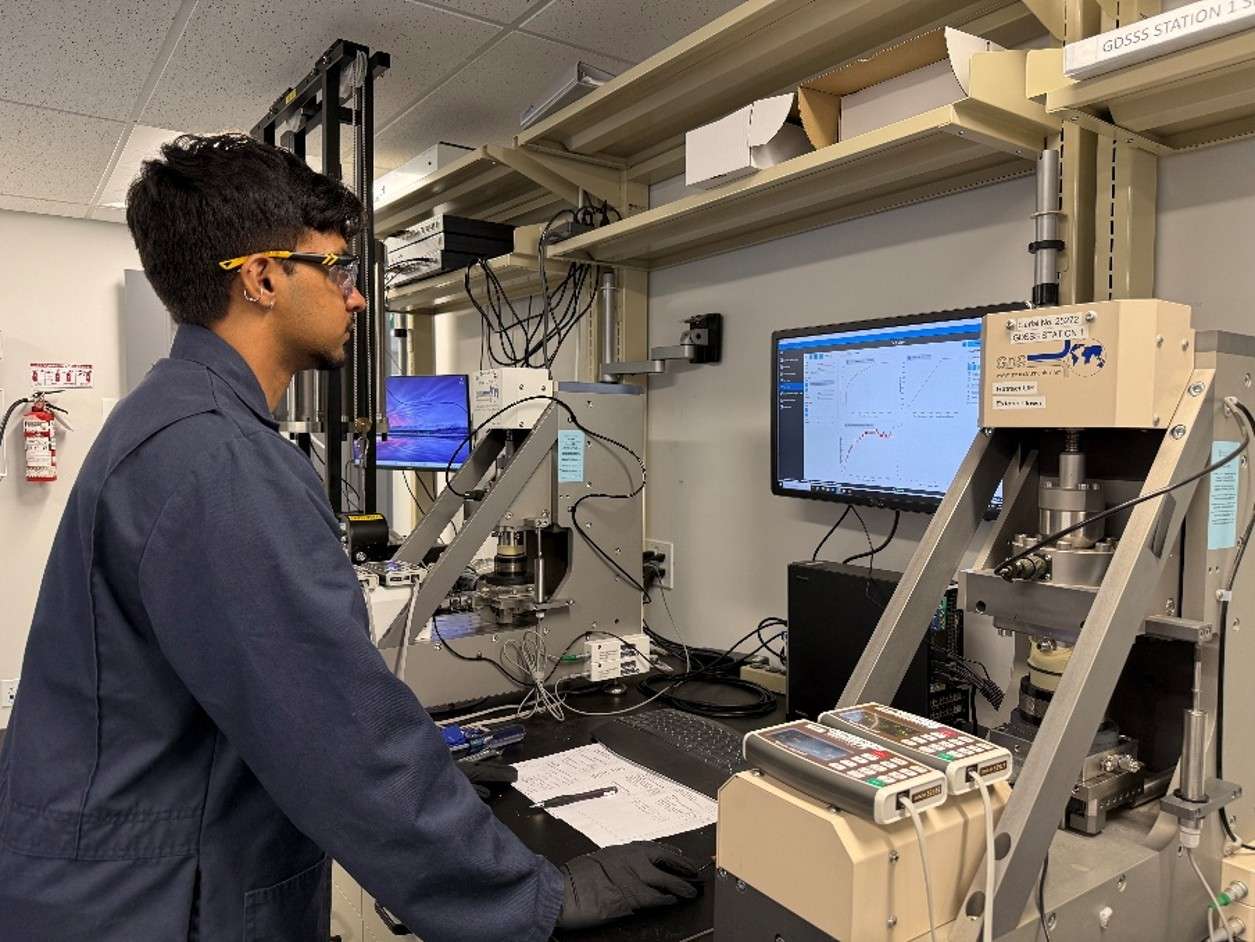
BGC has numerous advanced testing machines. Our most in demand advanced tests are the Direct Simple Shear, Direct Shear and Triaxial. The lab can accommodate a wide range of testing requests, helping provide clients with the most relevant information for their designs. We occasionally use direct simple shear, triaxial, or resonant column testing to characterize liquefaction resistance. Some components of our machines are specially fabricated to address site-specific project requirements that fall outside conventional testing procedure. For example, we have the capability to test oil sands (with high bitumen content) and combustible material that behave similarly to soil. A recent addition to the lab is an Electro-Mechanical Dynamic Cyclic Simple Shear machine with confinement. Unlike a typical direct simple shear apparatus, it provides full effective stress control of the test specimen. This investment helps BGC prepare for future testing demand and remain at the forefront of commercial laboratory testing.Once a machine is available for use, I check the calibrations and reading devices to ensure they are functioning properly before placing the trimmed sample in the machine. Next, I launch the data acquisition program and begin testing.
3:30 PM
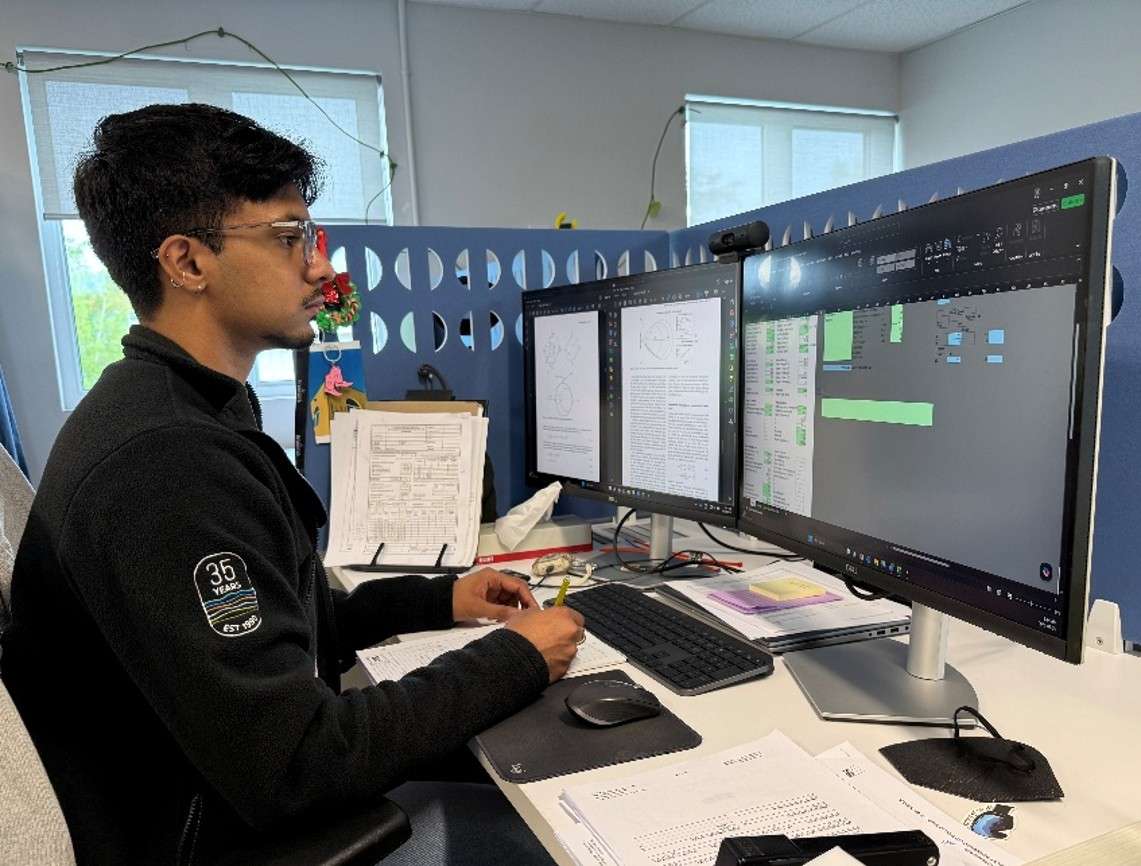
While the tests are running, I catch up on emails and follow up on project communications. Because Fredericton is a few hours ahead of the western regions of North America, where much of BGC’s work is based, meetings and correspondence for the local team often take place in the afternoon. BGC uses proprietary software to help create laboratory test reports, ensuring consistency across reports issued by the lab. A rigorous review process supports high-quality work, guided by BGC’s practice of “review early, review often.”
5:00 PM
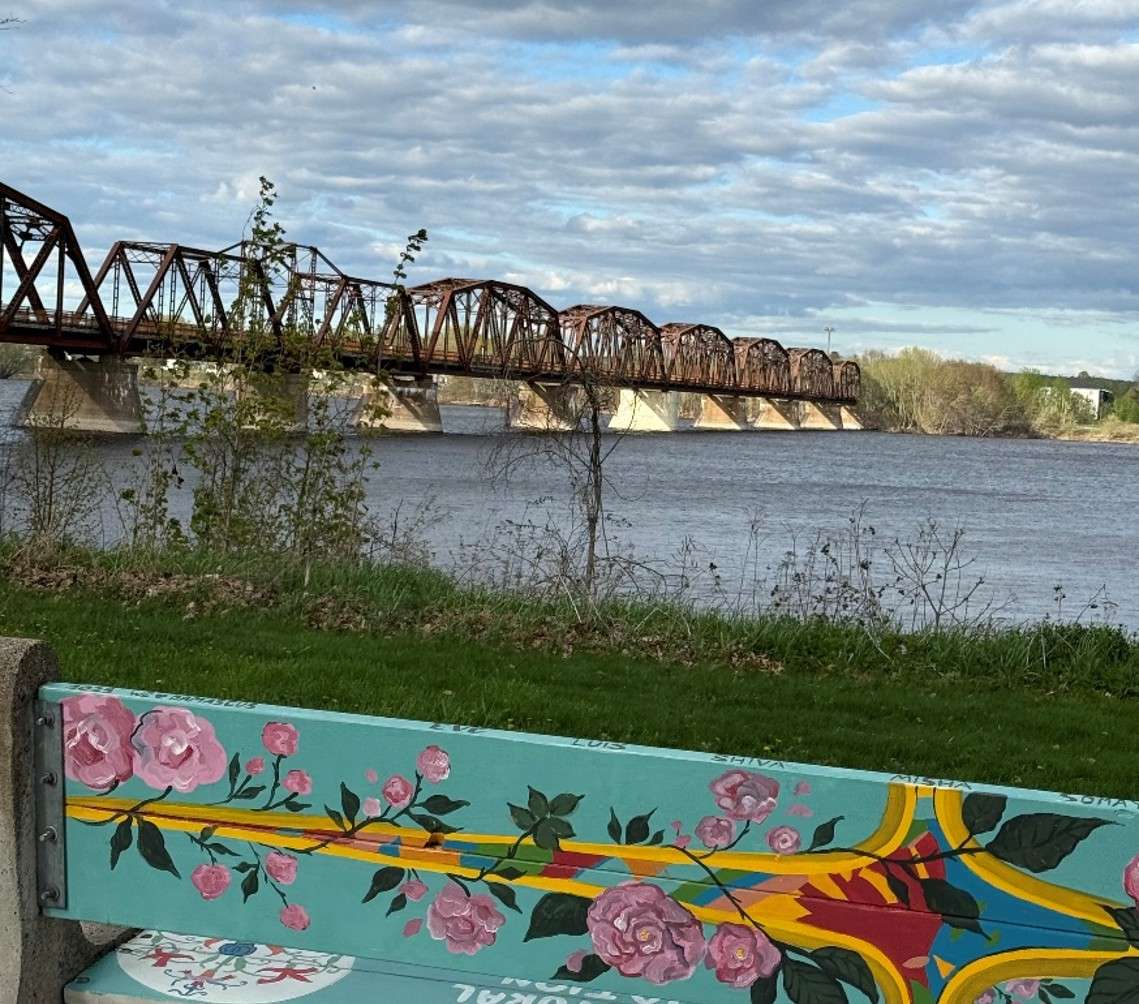
An occasional walk home on a warm day is relaxing. There are many trails in and around Fredericton. One popular trail runs along the Saint John River and offers views of historic buildings on one side as it passes through downtown Fredericton.